Plenty of restaurants run entirely on phone bookings for years without a problem. A diary or a tablet note, a staff member who remembers the regulars, and that's genuinely enough — especially for a small venue with a steady, familiar crowd. The question isn't whether phone bookings are wrong. It's whether the specific signs below have started showing up in your restaurant, because each one is a point where "it still works" quietly becomes "it's costing us something every week."
1. Someone on the floor is interrupted by the phone during service, not before it
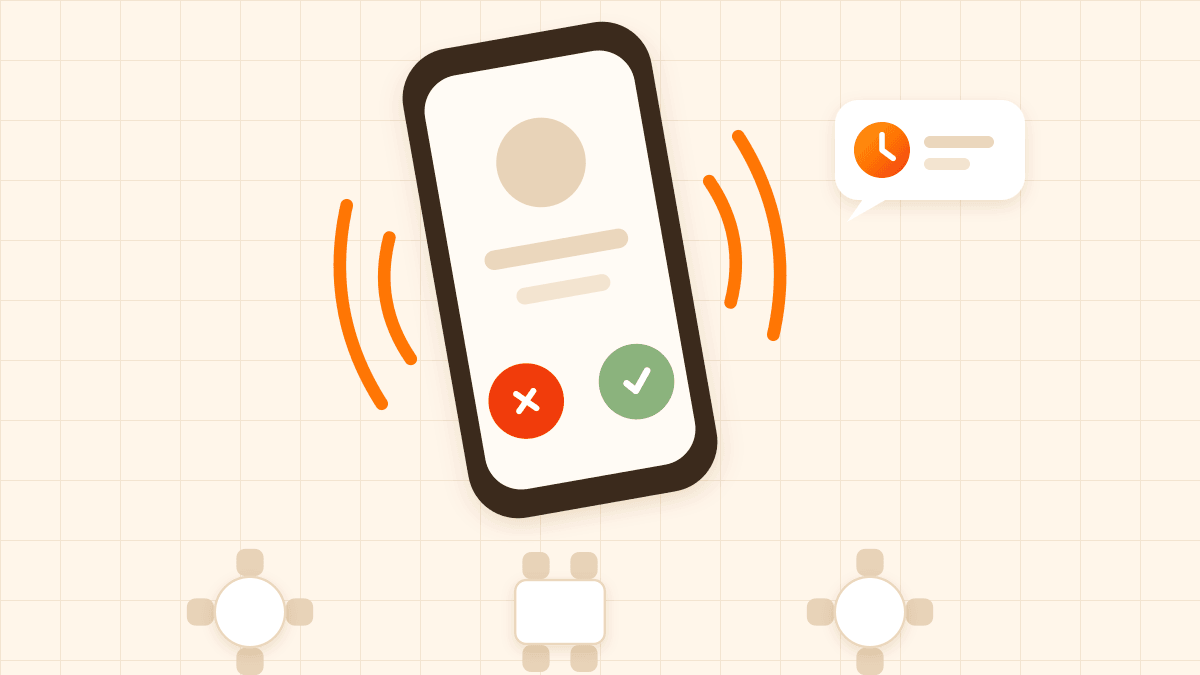
There's a difference between calls arriving for tomorrow's booking during a quiet 3pm lull, and calls arriving for tonight's table while the same person is expediting food or running the floor on a Saturday. The first is a minor task. The second is a real interruption — stop, find the diary, check if the time and party size actually fit, write it down, confirm back to the caller, and get back into the rhythm of service.
If that second pattern is happening more Fridays and Saturdays than not, the cost isn't really "answering the phone" — it's whoever's time gets pulled away at the worst possible moment to lose it. A handful of two-minute calls doesn't sound like much until you count how long it actually takes someone to mentally get back into what they were doing each time.
2. You've had a table double-booked, or come close, more than once
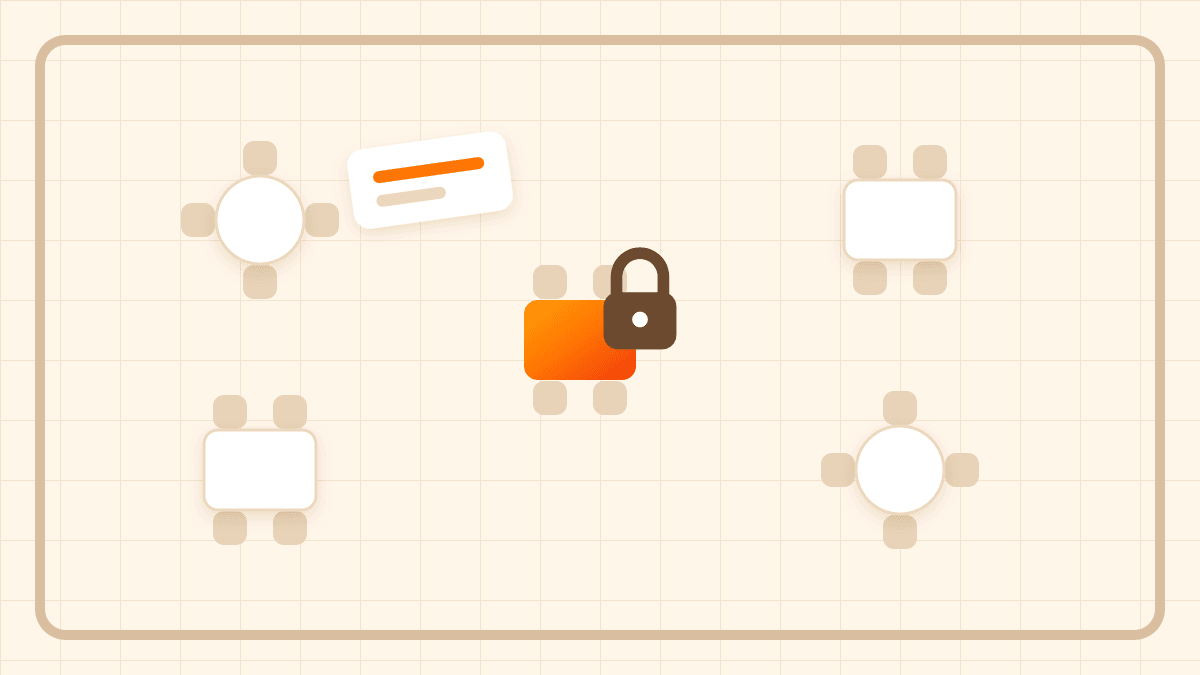
Phone bookings only work cleanly if whoever's answering the phone can see, at a glance, the real state of every table for the requested time — including which tables are physically connected and which ones are already held for another booking that hasn't arrived yet. On a quiet night that's manageable in someone's head. On a busy night, with multiple staff taking bookings and walk-ins at the same time, it becomes a guess.
A near-miss — catching it before the guest arrives — is a warning sign, not a non-event. It means the actual availability check is happening in someone's memory instead of against your floor plan, and memory doesn't scale past a certain number of tables or a certain number of people taking bookings. A system that checks table assignment automatically against your floor plan and existing connections removes that specific guess, rather than just moving the same manual check from a phone call to a different piece of paper.
3. You can't tell a regular from a stranger without someone personally recognising them
Knowing your regulars is one of the real advantages of a phone-based, relationship-driven restaurant — but it only works as long as the same staff member who knows them is the one answering. The moment a new hire or a different shift takes the call, that history disappears: whether this guest has a usual table, whether they've no-showed before, how many times they've actually visited. None of that travels with a phone call unless someone writes it down every single time, which in practice doesn't happen consistently.
If you've caught yourself wishing you could just look up "has this person booked with us before, and did they show up" instead of asking around the floor, that's the sign. A booking record that keeps guest history attached to the guest, not to whichever staff member happened to answer, means that information survives staff turnover and shift changes.
4. Guests are already asking to book another way
If guests have started asking "can I just book online?" or "do you have a link?", that's not a hypothetical preference — it's a guest telling you the phone call itself was the friction, not the booking. Plenty of people would rather not make a call during their workday to lock in a Friday table, or ring at all when they're already scrolling your Instagram or Google listing and just want to pick a time. Every one of those asks that gets answered with "sorry, phone only" is a guest who either books anyway despite the friction, or doesn't book at all.
Unlike the first three signs, which you notice from inside the restaurant, this one comes from outside it. It's the clearest signal that the way guests want to reach you has moved on from the way you currently take bookings, even if your own staff are coping fine.
5. You only find out about a no-show after the table's already sat empty
With phone bookings, there's usually no mechanism to deter a no-show beyond "we'll remember if they do it again" — which doesn't recover the revenue from the table that sat empty on a Saturday night. If no-shows are a real, recurring cost rather than an occasional annoyance, that's a sign the booking process itself needs a way to discourage them, not just a way to notice them after the fact.
A card-on-file model — where guests save a card at booking time but nothing is charged unless they don't show up or cancel too late — gives you that deterrent without asking every guest to pay upfront before they've even confirmed they like your menu. It's worth noting this only matters if no-shows are actually frequent enough to track; if it's rare for you, it's not worth solving for.
None of these mean you have to switch today
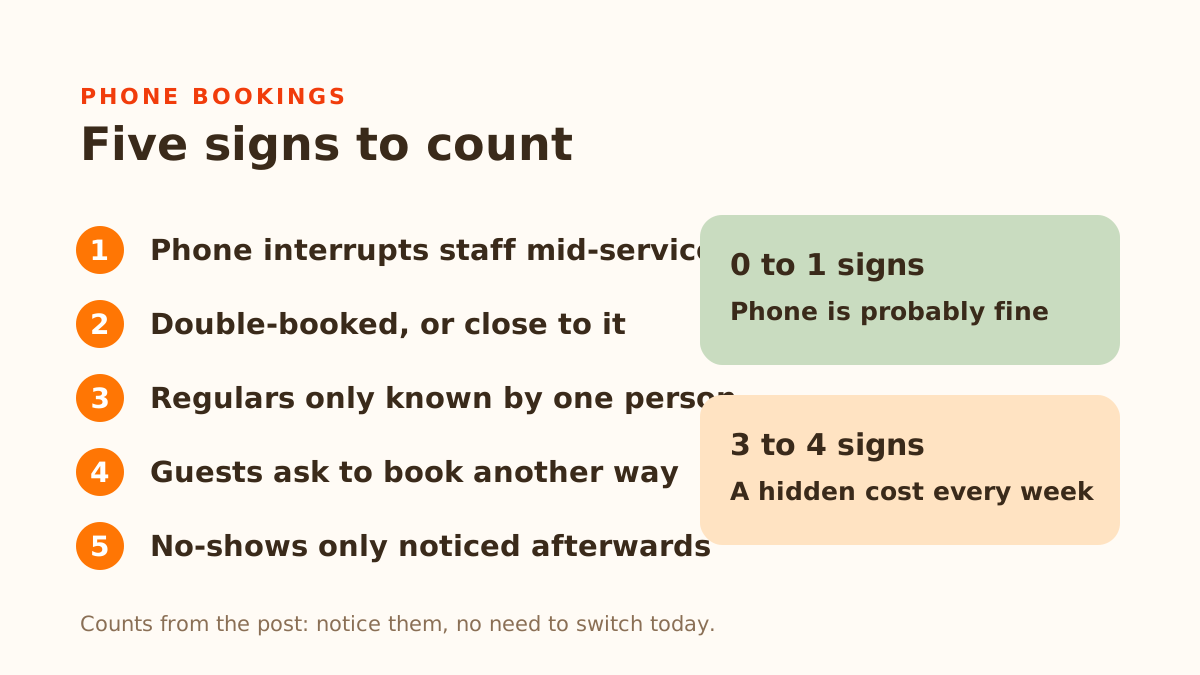
These are signs worth noticing, not an ultimatum. A restaurant that's hitting zero or one of them is probably fine running on phone bookings for a while longer. A restaurant hitting three or four of them is quietly paying a cost every week that doesn't show up as a line item anywhere — in staff time, in near-misses, in guests who asked for something you couldn't offer.
If that's starting to sound familiar, it's worth testing an online booking system against your actual busy nights rather than guessing from a sales page. DiningMate runs a flat $49/month with no per-booking fee and a 3-month free trial that doesn't require a card to start, specifically so you can see whether these five signs actually go away for your restaurant before committing to anything.